
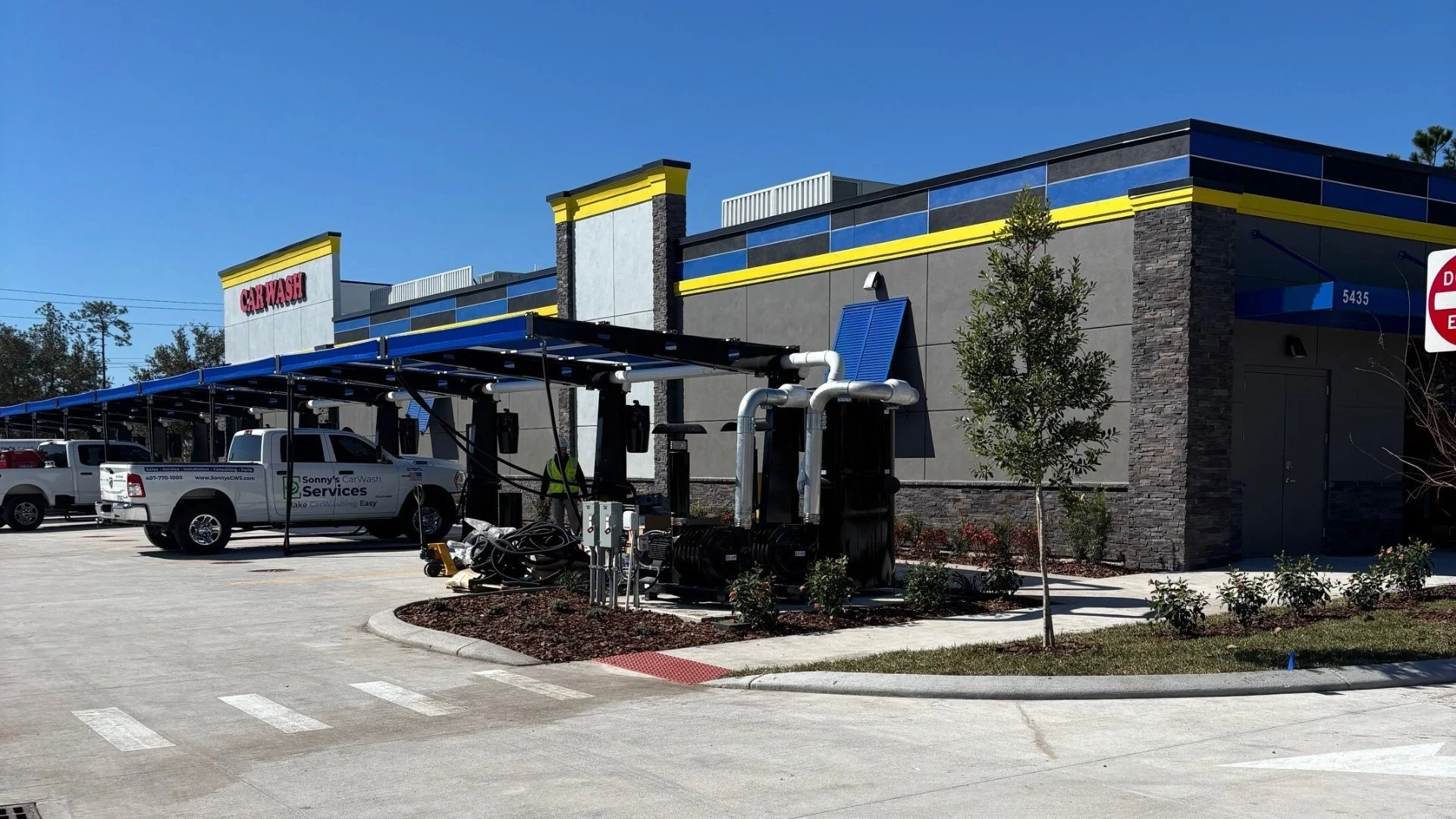
The pre-construction phase of commercial projects that take place in the United States is crucial for setting a solid foundation. It begins with site assessment and design finalization, ensuring the site is suitable and the design meets the client's vision. Accurate cost estimating and budgeting establish a financial roadmap, aligning resources with project feasibility. Scheduling identifies key milestones and coordinates activities to keep the project on track. Obtaining necessary permits ensures compliance with regulations, while risk assessment and mitigation planning address potential challenges. These steps collectively ensure a smooth construction process, minimizing delays and maximizing efficiency.
The pre-construction phase for a commercial project starts with site assessment and design creation/finalization.
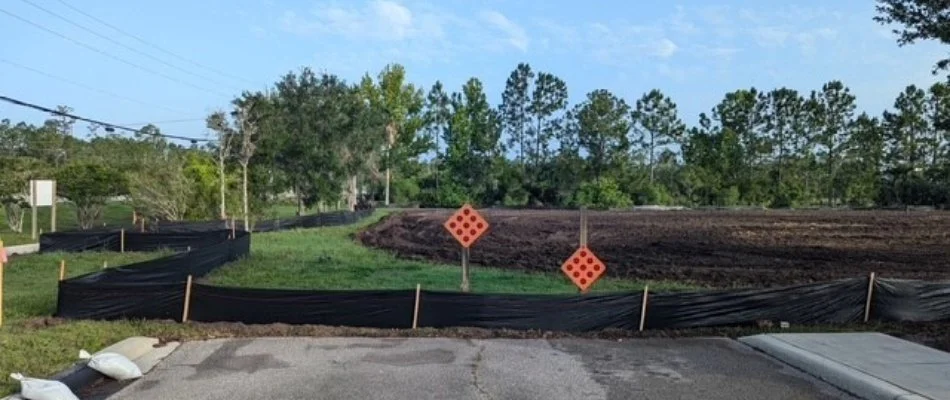
The first step in the pre-construction phase of a commercial project involves a thorough site assessment. This process includes evaluating the physical characteristics of the site, such as soil conditions, topography, and existing structures. Environmental factors, accessibility, and local zoning laws are also considered to ensure the site is suitable for the intended project.
Once the site assessment is complete, the focus shifts to design creation and finalization. Architects and engineers collaborate to develop a design that meets the client’s vision while adhering to regulatory requirements and site constraints. This phase may involve multiple iterations and revisions to refine the design, ensuring it is both functional and aesthetically pleasing. The finalized design serves as a blueprint for all subsequent construction activities.
Cost Estimating & Budgeting Are an Essential Part of the Pre-Construction Phase of Commercial Projects
Accurate cost estimation is crucial for the financial viability of a commercial project. During the pre-construction phase, detailed cost estimates are prepared based on the finalized design. These estimates cover all aspects of the project, including materials, labor, equipment, and overhead costs.
Budgeting involves comparing these estimates with the available financial resources to ensure the project is feasible. It may require adjustments to the design or scope to align with budgetary constraints. A well-prepared budget provides a financial roadmap for the project, helping to prevent cost overruns and financial shortfalls.
Scheduling and establishing timelines during the pre-construction phase of a commercial project identifies milestones.
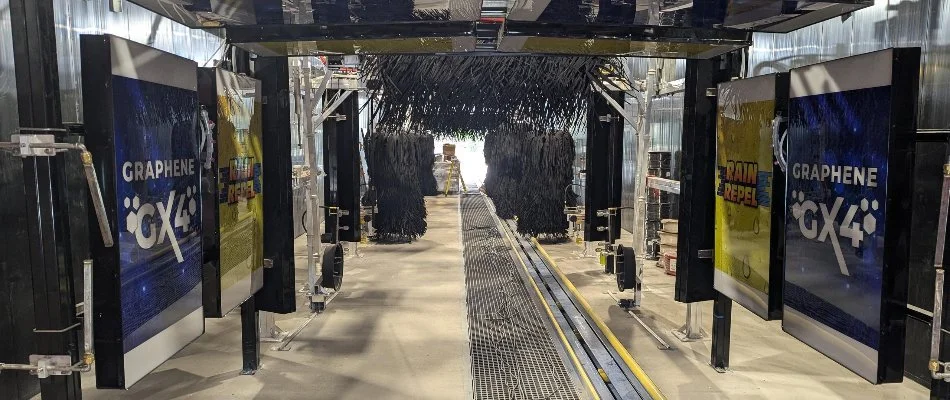
Developing a realistic schedule is another key component of the pre-construction phase for a commercial project. Project managers work to establish timelines for each stage of construction, from groundbreaking to completion. This involves coordinating with contractors, suppliers, and other stakeholders to align resources and activities.
A detailed schedule helps to identify critical milestones and dependencies, ensuring that tasks are completed in a logical sequence. It also provides a framework for monitoring progress and making adjustments as needed. Effective scheduling can minimize delays and keep the project on track.
Obtaining the Necessary Permits & Approvals For The Commercial Project
Before commercial construction can begin, it is essential to obtain the necessary permits and approvals from local authorities. This process ensures that the project complies with all relevant building codes, zoning regulations, and environmental standards.
The pre-construction phase involves preparing and submitting detailed documentation, including architectural plans, engineering reports, and environmental assessments. Navigating the permitting process can be complex and time-consuming, but it is a critical step in ensuring the project’s legality and safety. Early engagement with regulatory agencies can help streamline the process and avoid potential roadblocks.
Risk assessment and mitigation planning ensure the commercial construction project progresses smoothly.
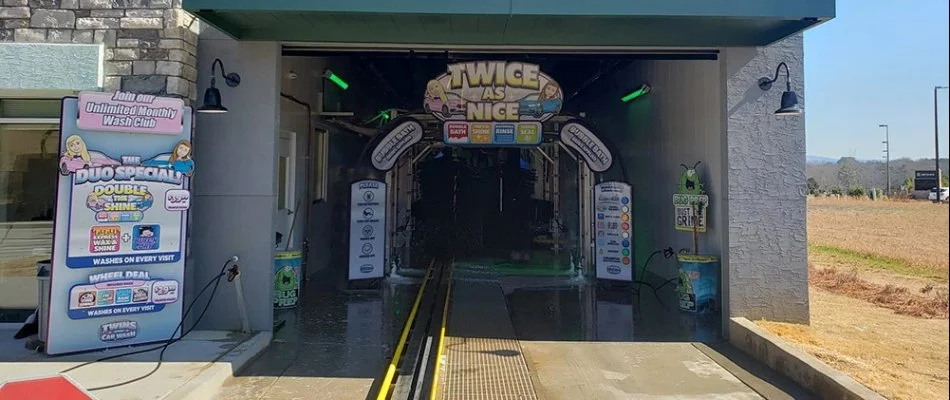
Identifying and mitigating risks is a vital aspect of pre-construction planning for commercial projects. Risk assessment involves analyzing potential challenges and uncertainties that could impact the project, such as weather conditions, supply chain disruptions, or labor shortages.
Once risks are identified, mitigation strategies are developed to minimize their impact. This may include contingency plans, alternative sourcing options, or contractual safeguards. Effective risk management helps to protect the project from unforeseen events and ensures that it can proceed smoothly.
Give us a call today to schedule a consultation for our commercial construction management service!
The pre-construction phase of commercial projects is a critical step in ensuring the successful completion of a project. Here at Creative Convenience Corporation, we operate as a commercial construction management company to deliver a smooth, seamless project delivery. We will handle everything for your construction project, from designing and developing the site to acquiring the necessary permits from local authorities. Our approach also includes a cost-plus method, where all costs and expenses will be disclosed to you. We serve industries in Florida, Georgia, Louisiana, and throughout the United States. Call us at (813) 649-9561 to schedule a consultation, and let's discuss your project!