
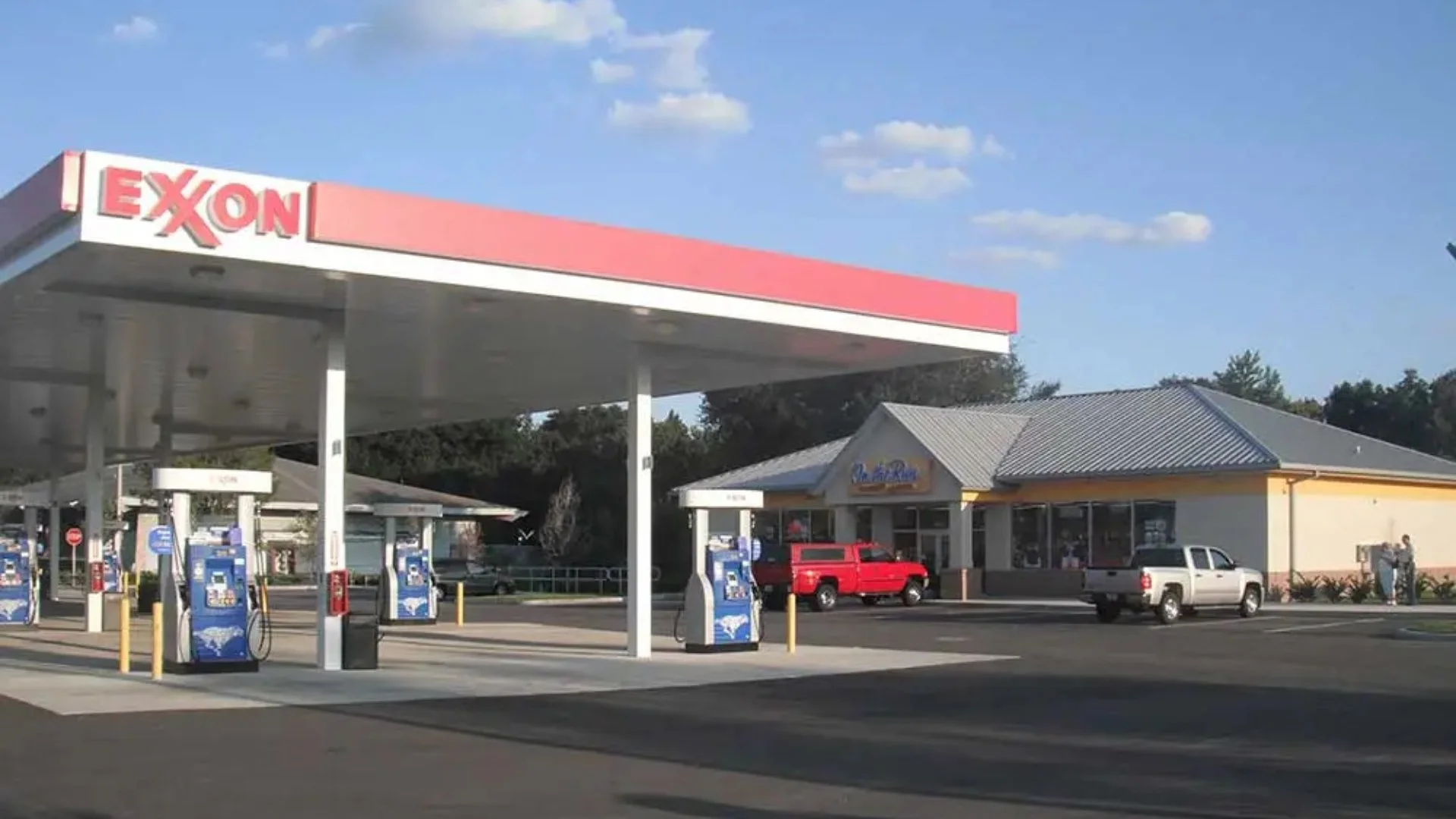
Embarking on a commercial construction project in the United States requires careful budgeting to ensure financial success. Begin by defining the project scope through site assessments and clear goal setting to guide the planning process. Organize costs into categories: direct costs like materials and labor, indirect costs such as insurance and project management, soft costs including design fees and permits, and a contingency fund for unexpected expenses. Closely monitor expenses, recording each payment immediately, and adjust allocations as needed to stay on track. Regularly compare spending against the baseline budget to ensure the project remains financially viable and aligned with its goals.
Define the project scope and requirements when budgeting for your commercial construction project.
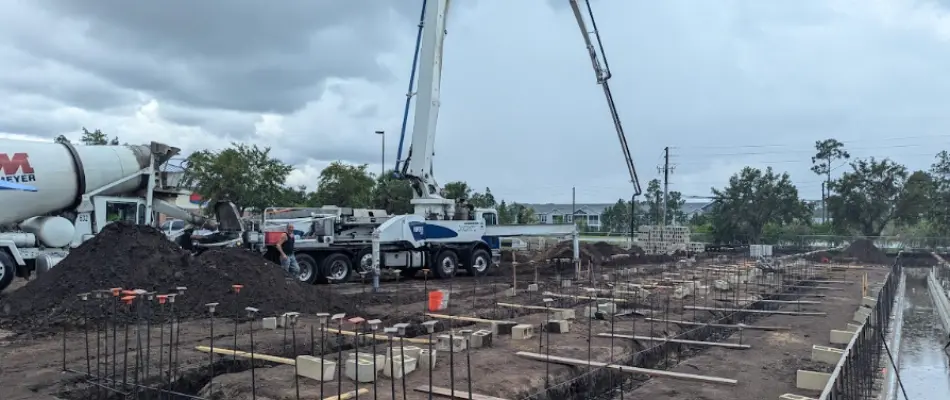
The first step in budgeting for a commercial construction project is conducting a thorough site assessment. This involves evaluating the existing conditions of the site, including its size, topography, and accessibility. Understanding these factors helps in estimating necessary groundwork and identifying potential challenges, which can significantly impact the budget. A comprehensive site assessment provides a solid foundation for planning and helps in anticipating any environmental or logistical issues that might arise during construction.
Once the site assessment is complete, it’s essential to clearly define the scope of work. This involves detailing every aspect of the construction project, from initial design to the finishing touches. A well-defined scope prevents scope creep, ensuring that the project stays within budget. Setting clear, achievable goals aligned with the project’s timeline, quality standards, and financial constraints is also crucial. Establishing priorities will guide decision-making and fund allocations, ensuring a focused approach to achieving project objectives.
List and estimate all cost categories for your commercial construction project's budget.
Organizing costs into specific categories provides a clear overview of financial requirements and ensures comprehensive budgeting for your commercial construction project. This approach helps identify potential areas for cost savings and ensures that no aspect of the project is overlooked. Below are the primary categories to consider:
- Direct Costs: These are directly tied to the construction process. They include materials, which require careful estimation based on quality and market conditions. Equipment rental is another significant expense, as necessary machinery and tools must be identified and their rental costs projected. On-site labor costs, including wages for all personnel and subcontractors, should also be accurately calculated.
- Indirect Costs: These are not directly linked to construction but are essential for project completion. They encompass costs for temporary offices and utilities, which include communication systems and workspace necessities. Insurance is another critical component, covering workers’ compensation, liability, and property insurance. Additionally, project management fees account for salaries of project managers and administrative staff.
- Soft Costs: These are incurred before and after construction. They include design and architecture fees for hiring professionals to create plans and blueprints. Permits and inspections are also necessary, with fees required to obtain necessary approvals and ensure compliance with regulations.
- Contingency: A contingency fund is vital for covering unexpected expenses such as delays, weather disruptions, or price increases in materials. Typically, a contingency reserve of 5-10% of the total budget is advisable to accommodate these unforeseen costs.
Build and track the budget of your commercial construction project.
Once the budget is established, it’s crucial to closely monitor expenses and record each payment immediately. Keeping an up-to-date financial overview helps identify discrepancies early, allowing for timely adjustments. This practice ensures that all financial transactions are transparent and accounted for, preventing any surprises that could derail the project. By maintaining meticulous records, you can better manage cash flow and ensure that funds are allocated appropriately throughout the project lifecycle.
In addition to monitoring expenses, it’s important to log any extra costs promptly. Adjust budget allocations as needed to accommodate these unexpected expenses. Regularly comparing actual spending against the baseline budget plan is essential for maintaining financial control. Monthly reviews highlight any deviations from the plan, allowing for corrective actions to keep the project on track. This ongoing evaluation ensures financial health and supports successful project completion within the established budget framework.
Let us handle your next project with our commercial construction management service. Call us for a consultation!
Budgeting for a commercial construction project is a complex but manageable process. Let our team make the entire process seamless and hassle-free for you! Here at Creative Convenience Corporation, we provide a turnkey commercial construction management service, which means we will handle every aspect of your construction project from concept to completion. We are more than just general contractors. When you work with us, you can rely on our team to oversee the entire construction process until it is ready for opening.
Our team of experts will work closely with you to plan and design the project, budget for it, and assemble the team of professionals for construction. We will also ensure the project proceeds according to the set timeline and budget. Our company proudly serves Florida, Georgia, Louisiana, and other Southeastern states. Call us today at (813) 649-9561 to discuss your commercial construction needs and let us help you bring your vision to life.